The US ecommerce industry is growing at an unparalleled rate. As more and more people choose to shop online, businesses are under pressure to build online storefronts that are fast, scalable, and good at turning visitors into customers. Choosing the correct ecommerce store building platform is the most important decision that will lead to this growth.
Building an online business in 2026 is more than just putting up a list of items and taking payments. Artificial intelligence, automation, omnichannel selling, advanced analytics, and performance optimization are all now part of modern ecommerce platforms. Your choice of platform will have a direct impact on your sales, customer satisfaction, SEO visibility, and long-term growth.
From a strategic point of view, this guide breaks down ecommerce store development platforms so that U.S. firms may learn how to choose, construct, and grow the best ecommerce solution in a crowded digital market.
How to Understand Ecommerce Store Development Platforms
A platform for developing an ecommerce store is the technology that lets businesses create, run, and administer an online store. These platforms take care of everything, from shopping carts and product catalogs to payments, security, and managing orders.
In the past, ecommerce platforms were just simple website builders with a way to check out. Today, they are full-fledged commerce ecosystems that can handle thousands of products, a lot of traffic, and transactions all across the world. For U.S. companies who are trying to grow in markets that are already full, the correct platform might be the difference between steady expansion and always having technical problems.
Why Choosing the Right Platform Is More Important Than Ever in the U.S. Market
One of the most competitive ecommerce markets in the world is in the U.S. Customers want fast loading times, smooth mobile experiences, safe payments, and shopping experiences that are tailored to them. Search engines reward technically efficient ecommerce websites with increased visibility, whereas slow or poorly constructed stores struggle to rank.
If you choose the wrong ecommerce development platform, you could have problems with performance, restricted flexibility, a bad SEO structure, and expensive long-term costs. A well-chosen platform, on the other hand, helps a firm grow, keeps up with new technology, and makes it less dependent on ongoing renovation.
Types of Ecommerce Store Development Platforms
Hosted Ecommerce Platforms
Hosted ecommerce platforms are cloud-based services that take care of hosting, security, upgrades, and infrastructure for the platform provider. A lot of small firms and startups in the U.S. use these platforms because they make things less complicated.
Hosted platforms are easy to use, set up quickly, and have prices that don’t change. But they could impede deep customization and advanced backend control, which can be a problem for growing businesses with complicated needs.
Open-Source Ecommerce Platforms
With open-source ecommerce systems, you have full control over the code and structure of the website. These systems are great for businesses who need a lot of customization, advanced integrations, or one-of-a-kind user experiences.
Open-source platforms are flexible and may grow with your needs, but they need professional development skills, hosting management, and regular maintenance. Many medium-sized and large organizations in the U.S. favor open-source solutions since they can be changed over time.
Headless Ecommerce Platforms
Headless ecommerce platforms keep the backend commerce engine and the frontend presentation layer separate. With this architecture, organizations can send content to websites, mobile apps, smart devices, and markets all from one backend system.
Headless ecommerce is becoming very popular in the U.S. market in 2026 because it performs better, works with several channels, and works with new frameworks.
Important Features of a Good Ecommerce Development Platform:
Scalability and Performance
Ecommerce enterprises that want to sell to people in the U.S. must be able to grow. Sales events, holidays, and marketing campaigns can cause traffic spikes that can overwhelm platforms that aren’t well designed. A good ecommerce development platform makes sure that performance stays the same no matter how much traffic there is.
Page speed is important for SEO rankings and makes the user experience better. Search engines give higher rankings to ecommerce sites that load quickly and work well on mobile devices.
SEO and Search Visibility
If you want your online store to do well, you need SEO-friendly architecture. The finest ecommerce platforms let you use clean URLs, structured data, schema markup, and rapid indexing.
For U.S. businesses that want to rank for high-value keywords, the ecommerce platform’s technical SEO features can have a big effect on organic traffic and the cost of acquiring new customers.
Standards for Payment and Security
Consumers in the U.S. want payment solutions that are safe and easy to use. Ecommerce sites need to be able to handle a variety of payment methods, digital wallets, and follow security standards like PCI DSS.
Breaches of security can hurt a brand’s reputation and cost them money. Modern ecommerce platforms include security protections at the infrastructure level, which lowers the risk for store owners.
AI and Automation on Ecommerce Sites
AI is changing the way ecommerce shop development platforms work. AI is no longer a choice in 2026; it’s a way to be ahead of the competition.
AI-powered e-commerce platforms can suggest products, set prices based on each consumer, predict inventory needs automatically, and provide smart customer assistance. These features help businesses get more customers and do less work.
Automation is also highly important for processing orders, sending marketing emails, recovering abandoned carts, and dividing customers into groups. Ecommerce businesses in the U.S. that use AI and automation consistently do better than those that rely on manual processes.
Ecommerce Platforms for Small and Medium Businesses vs. Large Businesses
Small and Medium Businesses
Small firms in the U.S. generally put ease of use, low cost, and quick deployment at the top of their lists. Ecommerce platforms developed for this market emphasize on simplicity while giving appropriate scalability for moderate expansion.
For small businesses, it’s really important to be able to start up quickly, add marketing tools, and run their business without having to worry about technical issues.
Ecommerce Platforms for Large Businesses
Enterprise ecommerce platforms are made for businesses that sell a lot of things, have complicated product catalogs, and work on more than one channel. These platforms can work with ERP systems, CRM software, and bespoke analytics tools in more complex ways.
American businesses frequently chose systems that provide them full control over data, infrastructure, and the user experience, even if it costs more to set up at first.

Shopify as an Ecommerce Store Development Platform
Shopify has become one of the most widely adopted ecommerce store development platforms in the United States, especially among small and mid-sized businesses. Its popularity comes from its simplicity, speed of setup, and reliable infrastructure that removes most technical barriers for store owners.
From an ecommerce development perspective, Shopify is a hosted platform, meaning hosting, security, and updates are managed by Shopify itself. This allows U.S. business owners to focus more on marketing, branding, and sales rather than technical maintenance. Shopify stores perform well in terms of speed and reliability, which is critical for conversion rates and SEO.
Customization on Shopify is flexible within limits. While deep backend control is restricted compared to open-source platforms, Shopify offers a powerful theme system and a vast app ecosystem that extends functionality. For businesses prioritizing time-to-market and predictable costs, Shopify is often the fastest route to launching a professional online store.
In 2026, Shopify’s growing focus on AI-driven features such as automated product recommendations, customer insights, and checkout optimization makes it particularly attractive for brands focused on scaling efficiently in the U.S. market.
WooCommerce for Ecommerce Website Development
WooCommerce is one of the most flexible ecommerce store development platforms available, especially for businesses already using WordPress. It is an open-source solution, which gives developers full control over design, functionality, and performance optimization.
WooCommerce is widely used in the U.S. because it allows businesses to combine content marketing, SEO, and ecommerce on a single platform. From an SEO standpoint, WooCommerce excels due to WordPress’s strong content management capabilities, making it ideal for businesses relying on organic traffic and long-term search visibility.
Unlike hosted platforms, WooCommerce requires businesses to manage hosting, security, and updates. However, this also means greater freedom in choosing performance-optimized hosting environments and custom development solutions. For U.S. businesses that want a balance between flexibility and cost control, WooCommerce remains a strong choice.
As ecommerce trends shift toward personalization and automation, WooCommerce integrates seamlessly with AI tools, marketing automation platforms, and advanced analytics systems, making it future-ready when implemented correctly.
Magento (Adobe Commerce) for Large-Scale Ecommerce Stores
Magento, now known as Adobe Commerce, is a powerful ecommerce store development platform designed for high-volume and enterprise-level businesses. It is particularly popular among U.S. companies that require advanced customization, complex product catalogs, and robust backend control.
Magento’s architecture supports multi-store management, international selling, and deep integration with enterprise systems such as ERP and CRM platforms. This makes it suitable for large U.S. retailers managing thousands of products and high traffic volumes.
The strength of Magento lies in its scalability and flexibility. However, it requires experienced developers and a higher investment in development and infrastructure. Businesses choosing Magento are typically focused on long-term growth rather than rapid deployment.
In 2026, Adobe’s integration of AI, analytics, and customer data tools into Magento strengthens its position as a future-proof ecommerce platform for enterprises aiming to deliver personalized shopping experiences at scale.
Headless Ecommerce Platforms: The Future of Online Stores
Headless ecommerce platforms represent a modern approach to ecommerce store development by separating the frontend user interface from the backend commerce engine. This architecture allows businesses to deliver content and commerce experiences across websites, mobile apps, kiosks, and other digital touchpoints from a single backend system.
Headless development for ecommerce is gaining strong traction in the U.S. market due to its performance benefits and flexibility. By using modern frontend frameworks, businesses can create lightning-fast, highly customized user experiences without being constrained by traditional ecommerce templates.
From an SEO perspective, headless platforms enable developers to build performance-optimized storefronts that meet Google’s Core Web Vitals requirements more effectively. This directly impacts organic rankings and user engagement.
While headless ecommerce requires a higher technical investment, it is ideal for U.S. brands focused on omnichannel selling, innovation, and long-term scalability. In 2026 and beyond, headless architecture is expected to become the foundation for enterprise and fast-growing ecommerce businesses.
Platform Selection Based on Business Goals
Each ecommerce store development platform serves a different type of business need. Shopify excels in speed and simplicity, WooCommerce offers flexibility and SEO strength, Magento supports enterprise-level complexity, and headless platforms provide unmatched performance and future readiness.
The best platform is not the most popular one—it is the one that aligns with your business model, growth strategy, and technical capabilities.
Building and customizing an online store
When choosing an ecommerce platform, customization is a big factor. Companies should be able to create their own user journeys, improve conversion funnels, and connect to third-party solutions.
Hosted systems don’t let you change anything, whereas open-source and headless platforms let you change everything at every level. For U.S. firms that want to stand out, the ability to customize directly affects how people see the brand and how devoted they are to it.
Costs and Long-Term Return on Investment
The true cost of an ecommerce site development platform goes beyond monthly subscription fees. Businesses need to think about the costs of development, maintenance, scalability, and transactions.
At first, a platform may look cheap, but as the firm expands, it may cost more. On the other hand, putting money into a platform that can grow over time can lower the costs of rebuilding and technical debt in the long run.
When picking an ecommerce platform, U.S. firms need to think about return on investment instead of just the cost up front.
Factors of Security, Compliance, and Trust
In e-commerce, trust is a big role in making a sale. SSL encryption, safe checkout processes, and following U.S. consumer protection laws are all things that platforms must provide.
Ecommerce platforms that put security first help businesses earn customers’ trust, cut down on fraud, and keep private information safe.
Selling on mobile devices and across channels
Mobile commerce is the most popular type of online shopping in the U.S. Ecommerce systems need to make sure that mobile experiences are smooth without losing performance or functionality.
Businesses with omnichannel capability can sell on websites, marketplaces, social media sites, and in real storefronts. For contemporary ecommerce to be successful, inventory management must be unified and customer experiences must be consistent.
Moving and changing platforms
When a firm grows, it may need to switch from one ecommerce platform to another. The platform’s flexibility affects how readily data, products, consumers, and SEO equity may be moved.
Choosing a platform with an architecture that makes it easy to move data around lowers the chance of problems in the future and keeps the business running.
Picking the Best Platform for Building an Online Store
When choosing the correct ecommerce platform, you need to be sure that your business goals and technological abilities are in sync. When choosing a platform, U.S. organizations should look at how well it scales, how well it works with SEO, how customizable it is, how well it works with AI, and how much growth it can expect in the future.
Businesses shouldn’t only pick a platform based on how popular it is. They should also think about how well it meets their specific operational and marketing objectives.
The Future of Platforms for Building Ecommerce Stores
Smart automation, composable architecture, and individualized purchasing experiences are the future of ecommerce platforms. The market will be dominated by platforms that can change with new technology.
Companies in the U.S. who invest in ecommerce systems that are ready for the future set themselves up for long-term growth, strength, and an edge over the competition.
Last Thoughts
Ecommerce store development platforms are no longer merely ways to sell things online. They are strategic assets that affect how customers feel about your brand, how they experience it, and how big your firm can become.
The appropriate platform lets firms develop quickly, adapt to new technologies, and stay ahead of the competition in the U.S. ecommerce industry. Businesses can develop online stores that do well in 2026 and beyond by focusing on SEO, performance, AI integration, and long-term adaptability.
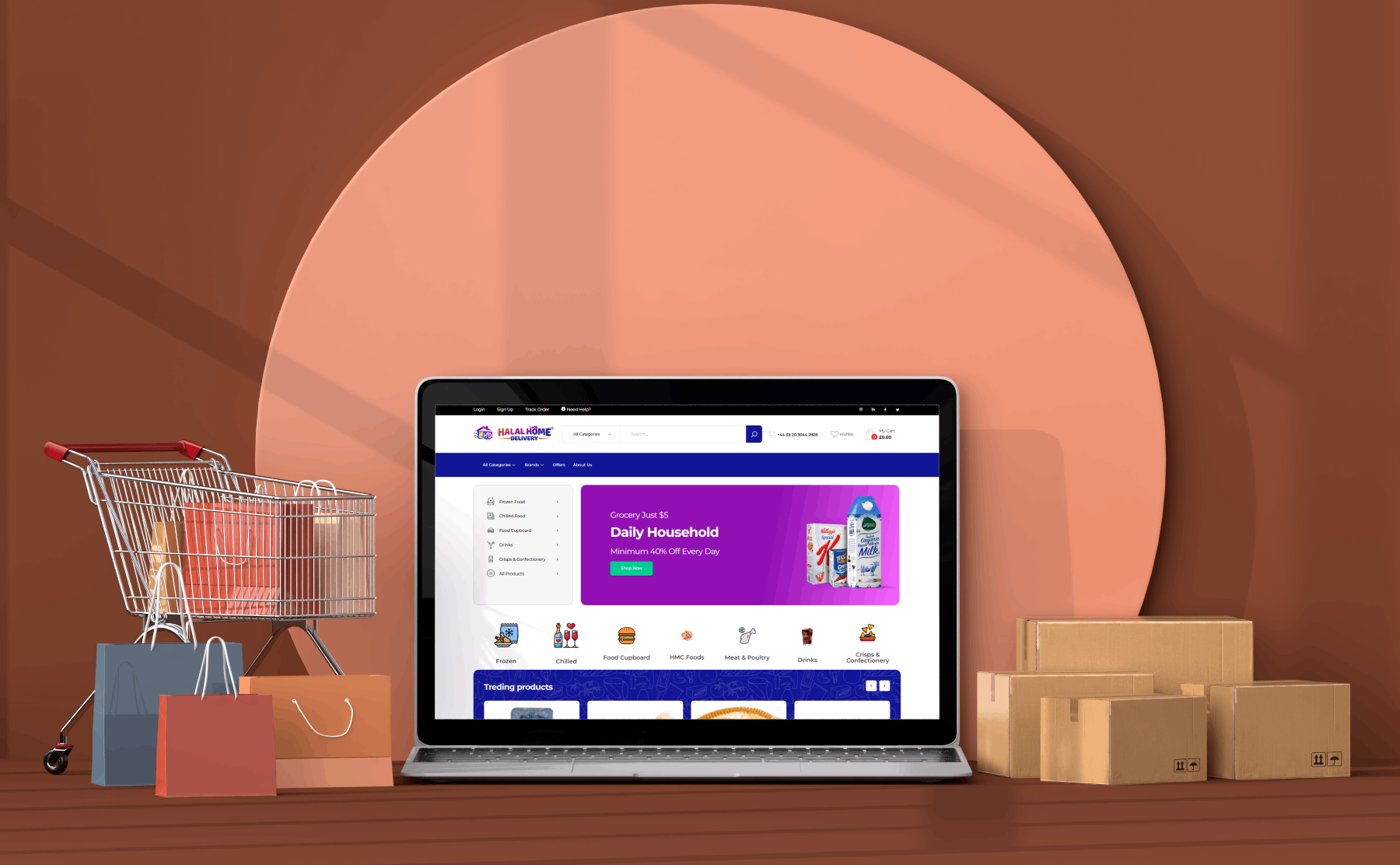
Check our Latest work and Yes including Ecommecer Development