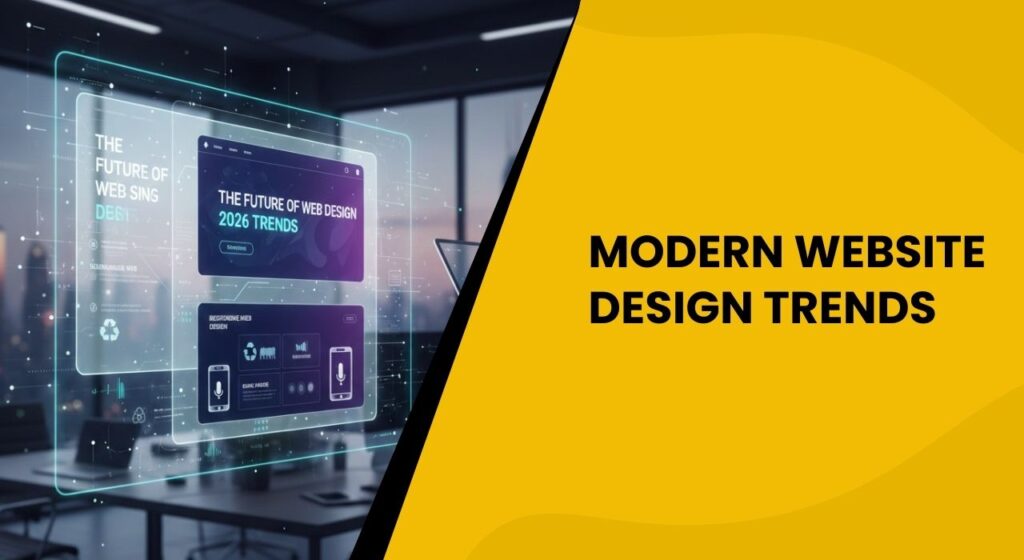
As we step into 2026, the digital landscape continues to evolve at an astonishing pace, reshaping how we perceive and interact with websites. With user expectations skyrocketing, staying ahead of the curve is no longer optional; it’s essential. From immersive experiences that captivate visitors to minimalist designs that prioritize functionality, modern website design trends are redefining the online experience.
In this article, we’ll explore the top 10 trends you can’t afford to ignore, ensuring your website remains relevant, engaging, and perfectly aligned with user desires. Whether you’re a business owner, a designer, or simply passionate about web innovation, these trends will inspire you to enhance your digital presence and delight your audience. Prepare to navigate the future of online design, where every click counts and visual storytelling reigns supreme. Discover how to transform your website into a powerful tool that not only attracts but retains visitors in 2026 and beyond.
Why Modern Website Design Matters More Than Ever
Website design is often the first interaction a user has with a brand. Within seconds, visitors decide whether to stay or leave. Modern design trends focus on delivering instant value, clarity, and usability.
Key reasons modern website design is critical today:
- Users expect fast, seamless experiences
- Mobile traffic dominates globally
- Search engines prioritize performance and usability – SEO, AEO, GEO
- Brand trust is closely tied to design quality
- Competition for attention is higher than ever
Modern website design bridges the gap between visual appeal and technical excellence.
Minimalism and Clean Aesthetics
Minimalism in web design is not a new trend, but its importance has surged as we move into 2026. The principle of “less is more” continues to dominate, focusing on the essentials while eliminating any unnecessary elements. This approach not only makes websites look more sophisticated and cleaner but also enhances usability by simplifying navigation. In a world where users are bombarded with information, a minimalist design can cut through the noise, providing a much-needed breath of fresh air. The use of ample white space, simple color schemes, and uncluttered layouts helps in drawing attention to the most critical elements of a website, such as calls to action and key content.
Moreover, minimalist designs contribute to faster load times, which is crucial for retaining visitors. Studies have shown that even a one-second delay in page load time can lead to a significant drop in conversions. By reducing the number of elements on a page, designers can ensure that websites load quickly and perform well across different devices and networks. This is particularly important in 2026, as users expect seamless experiences regardless of their internet connection or device.
Another advantage of minimalism is its timeless appeal. While other design trends may come and go, the elegance of a clean, simple design never goes out of style. This makes minimalist websites more adaptable to future changes and easier to update. As businesses and individuals strive to create lasting online presences, the enduring nature of minimalism makes it a smart choice for anyone looking to stay relevant in the fast-paced digital landscape.
Dark Mode: The Shift in User Preferences
Dark mode has transitioned from a mere aesthetic choice to a user preference, gaining significant traction as we head into 2026. This design trend involves using darker color palettes for the background, with lighter text and elements, creating a high-contrast interface that is easier on the eyes, especially in low-light conditions. The popularity of dark mode can be attributed to its multiple benefits, including reduced eye strain, improved battery life on OLED screens, and a sleek, modern look that appeals to a wide audience.
One of the primary reasons for the rise of dark mode is the increasing amount of time users spend on digital devices. With more people working remotely and relying on screens for both professional and personal activities, the need for eye-friendly design options has become more pressing. Dark mode offers a solution by reducing the glare and blue light emitted from screens, which can cause eye fatigue and disrupt sleep patterns. By offering a dark mode option, websites can cater to the needs of their users, providing a more comfortable browsing experience.
In addition to its functional benefits, dark mode also allows designers to create visually striking websites that stand out from the competition. The use of bold colors and vibrant accents against a dark background can create a dramatic, immersive effect that captures users’ attention. This trend is particularly effective for showcasing multimedia content, such as images and videos, as the darker backdrop enhances their visual impact. As user preferences continue to evolve, incorporating dark mode into web design strategies is a smart move for anyone looking to enhance user experience and stay ahead of the curve.
Responsive Design: Adapting to All Devices
Responsive design remains a cornerstone of modern web development, and its importance is only set to grow in 2026. With the proliferation of various devices, from smartphones and tablets to smartwatches and virtual reality headsets, ensuring that websites function seamlessly across different screen sizes and orientations is crucial. Responsive design involves creating flexible layouts that adjust automatically to the user’s device, providing an optimal viewing experience regardless of the platform.
The rise of mobile internet usage makes responsive design indispensable. In fact, mobile traffic has already surpassed desktop traffic, and this trend is expected to continue. As users increasingly rely on mobile devices for browsing, shopping, and socializing, websites that fail to deliver a seamless mobile experience risk losing a significant portion of their audience. By implementing responsive design, businesses can ensure that their websites are accessible and user-friendly on all devices, thereby maximizing their reach and engagement.
Moreover, responsive design is essential for maintaining a consistent brand identity across different platforms. A cohesive look and feel, regardless of the device, helps in building trust and credibility with users. It also simplifies the maintenance and updating process, as changes made to the website automatically apply across all versions. This not only saves time and resources but also ensures a uniform user experience. As the digital landscape continues to diversify, responsive design will remain a critical component of successful web strategies.
Bold Typography: Making a Statement
Typography has always played a crucial role in web design, but in 2026, it takes center stage as a powerful tool for making a statement. Bold, expressive typography is being used to create visual interest, convey brand personality, and guide users through a website. By experimenting with different fonts, sizes, and styles, designers can create dynamic and engaging layouts that capture attention and enhance readability.
One of the key advantages of bold typography is its ability to create a strong visual hierarchy. By using larger, more prominent fonts for headlines and important information, designers can ensure that users’ attention is directed to the most critical elements of a page. This not only improves the overall user experience but also helps in achieving specific business goals, such as increasing conversions and driving engagement. In a digital world where users have limited attention spans, bold typography can effectively cut through the clutter and communicate key messages.
In addition to its functional benefits, bold typography also allows for greater creative expression. Designers can use unique and unconventional fonts to reflect a brand’s personality and stand out from the competition. This trend is particularly effective for brands looking to create a distinctive and memorable online presence. By pushing the boundaries of traditional typography, designers can create visually striking websites that leave a lasting impression on users.
Micro-Interactions: Enhancing User Engagement
Micro-interactions are subtle animations or design elements that provide feedback or guide users through a website. These small, often overlooked details can have a significant impact on user engagement and experience. In 2026, micro-interactions are becoming increasingly sophisticated, offering more personalized and intuitive interactions that enhance the overall usability of a website.
One of the primary benefits of micro-interactions is their ability to provide instant feedback to users. Whether it’s a button changing color when clicked or a notification appearing when an action is completed, these small interactions help users understand the consequences of their actions. This not only improves the overall user experience but also reduces frustration and confusion. By providing clear and immediate feedback, micro-interactions can make a website feel more responsive and user-friendly.
Another advantage of micro-interactions is their ability to add a touch of delight and personality to a website. These small animations can make a website feel more lively and engaging, helping to create a more enjoyable browsing experience. For example, a playful animation when a user adds an item to their cart can add an element of fun and surprise, making the shopping experience more enjoyable. As websites continue to evolve, incorporating micro-interactions can help create a more engaging and memorable user experience.
Sustainable Web Design: Going Green Online
As environmental concerns become increasingly pressing, sustainable web design is emerging as a significant trend in 2026. This approach involves creating websites that minimize their environmental impact, from reducing energy consumption to using eco-friendly hosting services. By adopting sustainable practices, businesses can not only reduce their carbon footprint but also appeal to environmentally conscious consumers.
One of the key aspects of sustainable web design is optimizing website performance to reduce energy consumption. This includes minimizing file sizes, optimizing images, and using efficient coding practices. Faster-loading websites not only provide a better user experience but also consume less energy, contributing to a more sustainable internet. Additionally, using renewable energy-powered hosting services can further reduce a website’s environmental impact.
Sustainable Modern Website Design Trends also involves considering the lifecycle of digital products. This includes designing websites that are easy to update and maintain, reducing the need for frequent redesigns and overhauls. By creating durable and adaptable digital products, businesses can reduce waste and ensure their websites remain relevant and functional for longer periods. As sustainability becomes a top priority for consumers and businesses alike, adopting green web design practices is a smart and responsible choice.
Voice User Interface (VUI) Integration for Modern Website Design Trends
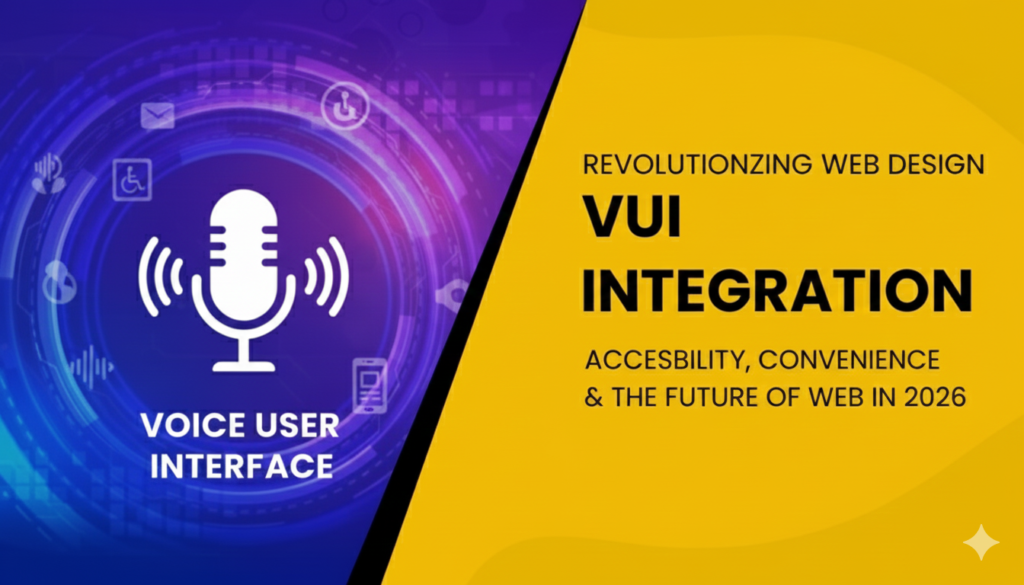
Voice User Interface (VUI) is transforming the way users interact with websites, and its adoption is set to skyrocket in 2026. With the rise of voice-activated devices like smart speakers and virtual assistants, integrating VUI into web design can provide a more intuitive and accessible user experience. This trend involves enabling users to interact with websites through voice commands, making navigation faster and more convenient.
One of the primary benefits of VUI integration is its ability to enhance accessibility. For users with disabilities or those who have difficulty using traditional input methods, voice commands can provide a more inclusive and user-friendly experience. By offering voice navigation options, websites can cater to a broader audience and ensure that everyone can access their content and services. This not only improves user satisfaction but also helps businesses comply with accessibility standards and regulations.
In addition to its accessibility benefits, VUI integration can also enhance user engagement and convenience. Voice commands allow users to perform tasks more quickly and effortlessly, such as searching for information, making reservations, or completing transactions. This can lead to higher user satisfaction and increased conversions. As voice-activated technology continues to advance, incorporating VUI into web design will become increasingly important for staying competitive and meeting user expectations.
Augmented Reality (AR) in Modern Website Design Trends
Augmented Reality (AR) is revolutionizing web design and development by creating immersive and interactive experiences that blend the digital and physical worlds. In 2026, AR is expected to become a mainstream feature of web design, offering new ways for users to engage with content and products. This trend involves overlaying digital information and elements onto the real world, providing a more engaging and interactive user experience.
One of the most significant applications of AR in web design is in e-commerce. By allowing users to visualize products in their real-world environment, AR can enhance the online shopping experience and reduce uncertainty. For example, customers can use their smartphones to see how a piece of furniture would look in their living room or how a pair of shoes would fit on their feet. This not only improves the shopping experience but also increases confidence in purchasing decisions, leading to higher conversion rates.
AR can also be used to create more engaging and interactive content across various industries. For example, educational websites can use AR to bring learning materials to life, making complex concepts more understandable and engaging. Similarly, travel websites can offer virtual tours of destinations, allowing users to explore and experience locations before making travel plans. As AR technology continues to advance, its integration into web design will open up new possibilities for creating immersive and interactive user experiences.
More Tips On Modern Website Design Trends
Mobile-First & Performance-Focused Design
One of the strongest modern website design trends is the shift to mobile-first design. Instead of adapting desktop designs for smaller screens, designers now start with mobile experiences and scale upward.
Why Mobile-First Design Matters for Modern Website Design Trends
- Over 60% of global web traffic comes from mobile devices
- Google uses mobile-first indexing
- Mobile users expect page speed and simplicity
Performance is now a design principle, not just a development concern. Clean layouts, optimized assets, and minimal scripts are essential to ensure fast load times.
Key elements of performance-focused design include:
- Lightweight UI components
- Optimized images and fonts
- Reduced JavaScript execution
- Minimal page clutter
A modern website design trend must look good and load fast.
Conclusion: Embracing the Future of Modern Website Design Trends
As we navigate the ever-evolving digital landscape of 2026, staying ahead of web design trends is crucial for creating relevant and engaging online experiences. The trends discussed in this article—minimalism, dark mode, responsive design, bold typography, micro-interactions, sustainable web design, VUI integration, and AR—are reshaping the way we perceive and interact with websites. By embracing these trends, businesses, designers, and web enthusiasts can ensure their digital presence remains innovative and user-centric.
The key to successful web design lies in understanding and anticipating user needs and preferences. As technology continues to advance and user expectations evolve, staying informed about the latest trends and best practices is essential. Whether it’s adopting a minimalist approach to enhance usability, integrating voice commands for greater accessibility, or leveraging AR to create immersive experiences, the possibilities for enhancing web design are endless.
Ultimately, the future of web design is about creating meaningful and impactful experiences that captivate and retain users. By staying ahead of the curve and continually innovating, we can transform websites into powerful tools that drive engagement, conversions, and satisfaction. As we look forward to the exciting developments in web design, let’s embrace these trends and harness their potential to create a brighter and more dynamic digital future.
Modern Website Design Trends, Modern Website Design Trends, Modern Website Design Trends, Modern Website Design Trends,Modern Website Design Trends, Modern Website Design Trends, Modern Website Design Trends, Modern Website Design Trends, Modern Website Design Trends,
Modern Website Design Trends, Modern Website Design Trends, Modern Website Design Trends, Modern Website Design Trends, Modern Website Design Trends, Modern Website Design Trends, Modern Website Design Trends, Modern Website Design Trends, Modern Website Design Trends, Modern Website Design Trends, Modern Website Design Trends